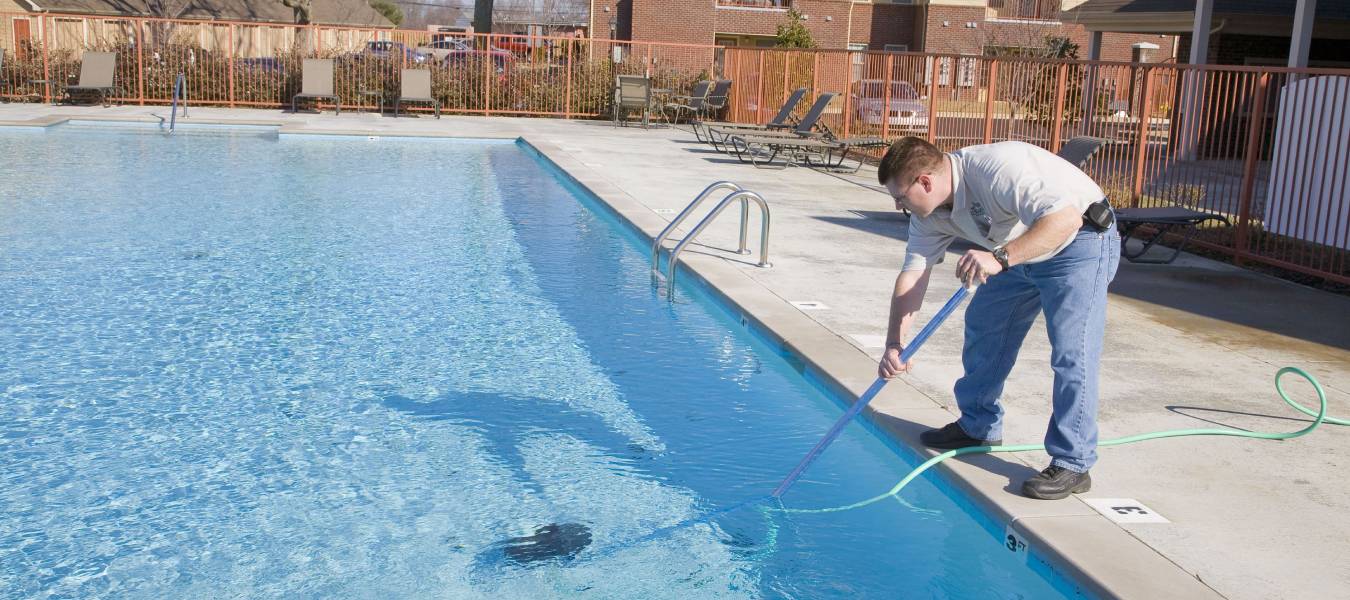
A backyard pool often represents relaxation, family fun, and a beautiful focal point for your home. At the same time, many homeowners forget that pools require regular attention to remain safe and functional. Because pools contain complex mechanical systems and structural components, hidden problems can develop quietly over time. When left unnoticed, these issues can turn into expensive repairs or even safety hazards.
Many pool owners focus only on cleaning and chemical balancing. While these steps are essential, they do not replace professional Pool inspections. A thorough inspection allows experts to evaluate every element of the pool environment. Therefore, routine evaluations can detect underlying concerns long before they escalate into major complications.
Why Regular Pool Inspections Matter for Homeowners
Pool ownership comes with ongoing responsibility. A pool operates through interconnected systems that rely on structural integrity, electrical safety, and water quality. Because these components function together, even a minor issue can affect overall performance.
Regular inspections help preserve the lifespan of the pool and its equipment. For example, small leaks may not be visible on the surface. However, consistent water loss can weaken the foundation and increase utility costs. At the same time, faulty electrical connections can create dangerous shock risks around the water. By scheduling routine inspections, homeowners can avoid unexpected emergencies and maintain peace of mind.
Another important benefit involves maintaining property value. Pools can significantly increase home appeal. However, a poorly maintained pool can quickly discourage potential buyers. Because inspections confirm that a pool remains in excellent condition, they serve as a valuable record of responsible ownership.
What Professionals Look for During a Swimming Pool Inspection Checklist
A professional swimming pool inspection checklist covers multiple areas of evaluation. Each section ensures that the pool operates safely and efficiently. Inspectors begin by examining structural elements such as the pool shell, tiles, coping, and deck surfaces. Cracks or surface deterioration may indicate shifting ground or water infiltration problems.
Equipment evaluation is another essential step. Inspectors review pumps, filters, heaters, and circulation systems to ensure proper performance. Because these components control water flow and cleanliness, equipment failure can lead to cloudy water or bacterial growth.
Inspectors also evaluate plumbing systems. Hidden leaks may occur underground or within pipe connections. Detecting these issues early helps prevent water waste and potential soil damage surrounding the pool.
Water chemistry testing also forms part of the checklist. Balanced chemical levels protect swimmers from irritation and help preserve pool materials. When water chemistry becomes unstable, it can corrode surfaces and reduce equipment lifespan.
Structural Integrity and Surface Conditions
The pool shell and interior finish are crucial elements that determine overall durability. Over time, temperature changes and ground movement can cause small cracks or uneven surfaces. While minor damage may appear harmless, it can allow water to seep into underlying layers. Because moisture intrusion weakens structural stability, early detection helps prevent extensive renovation work.
Inspectors also evaluate tile alignment and grout condition. Loose or missing tiles can signal water movement behind the surface. Therefore, repairing these concerns promptly protects the entire structure.
Equipment Performance and Energy Efficiency
Modern pools rely heavily on mechanical systems. Pumps and filtration units must operate consistently to maintain water clarity and hygiene. During a Pool maintenance inspection, technicians assess whether equipment operates at proper pressure levels. They also listen for unusual sounds that may indicate worn parts or motor strain.
Energy efficiency is another important consideration. Outdated or malfunctioning equipment often consumes more electricity. Because energy costs continue to rise, efficient systems help homeowners reduce long term expenses while improving performance.
Understanding Pool Safety Inspection Requirements
Safety remains one of the most critical reasons for scheduling professional evaluations. A comprehensive Pool safety inspection focuses on protecting swimmers and preventing accidents. Inspectors examine fencing, gates, and locking mechanisms to confirm compliance with local safety regulations.
Slip resistance around the pool deck also receives careful attention. Wet surfaces naturally increase fall risks. Therefore, inspectors evaluate texture and drainage to ensure safe walking areas. Lighting systems are another safety factor. Proper illumination allows swimmers to see clearly during evening use and helps homeowners monitor the pool environment.
Electrical components receive detailed review because water and electricity create a dangerous combination. Inspectors verify that wiring, grounding, and bonding systems meet current safety standards. When electrical systems function correctly, they significantly reduce the risk of shock incidents.
Child and Family Protection Features
Families with children benefit greatly from safety inspections. Inspectors check barriers and alarm systems that prevent unsupervised pool access. Because accidents can occur quickly, these protective features provide an additional layer of security.
Pool covers and safety nets are also reviewed for durability and proper installation. When these systems operate correctly, they help reduce drowning risks and protect the pool from debris accumulation.
Why a Pre purchase pool inspection Is Essential for Buyers
Purchasing a home with a pool can be exciting. At the same time, buyers must ensure that the pool does not hide costly problems. A Pre purchase pool inspection provides detailed insight into the condition of the pool before finalizing a property transaction.
During this inspection, professionals evaluate structural health, equipment functionality, and compliance with safety regulations. Because buyers often focus on interior home features, pool conditions may go unnoticed. However, repair costs for neglected pools can reach thousands of dollars. Therefore, obtaining a professional inspection protects buyers from unexpected financial burdens.
A thorough evaluation also helps buyers negotiate fair pricing. If inspectors identify needed repairs, buyers can request adjustments or seller improvements before completing the purchase. Because this process promotes transparency, it benefits both parties involved in the transaction.
Hidden Issues That Buyers Commonly Overlook
Many pool problems remain invisible to untrained eyes. Underground plumbing leaks may not show immediate signs. Similarly, outdated electrical wiring can appear functional while posing serious hazards. Surface discoloration can also mask deeper structural damage. Because these issues develop gradually, only professional inspections can accurately reveal them.
Signs That Your Pool May Need Immediate Inspection
While routine inspections are recommended annually, certain warning signs require faster attention. Unexpected water loss is one of the most common indicators of hidden leaks. If homeowners notice frequent refilling needs, an inspection becomes essential.
Unusual noises from pumps or filtration systems may signal mechanical wear. Because equipment breakdowns often occur without warning, early evaluation helps prevent sudden failures. Cloudy water or persistent algae growth can also indicate circulation problems or chemical imbalance.
Cracked tiles, loose coping, or sinking deck areas suggest structural movement. When homeowners observe these changes, professional evaluation helps prevent further damage. At the same time, electrical malfunctions such as flickering lights or tripping breakers should always be addressed immediately for safety reasons.
Seasonal and Environmental Impact on Pool Health
Weather conditions can influence pool stability. Heavy rainfall can shift soil and affect structural support. Intense heat may cause surface expansion and material stress. Because environmental changes occur gradually, regular inspections help detect seasonal damage before it worsens.
Tree roots and nearby landscaping can also affect underground plumbing systems. Roots naturally seek moisture, which may lead to pipe intrusion. Therefore, inspections help identify potential landscaping related risks before they create costly repairs.
Long Term Financial Benefits of Routine Pool Maintenance Inspection
Investing in regular inspections often saves money over time. Preventive maintenance identifies small issues before they escalate into major repairs. Because structural restoration and equipment replacement can be expensive, early detection significantly reduces long term costs.
Routine evaluations also improve energy efficiency. Well maintained pumps and filtration systems operate more effectively and consume less power. Therefore, homeowners benefit from lower utility bills and improved environmental sustainability.
Maintaining inspection records also strengthens property resale value. Buyers often appreciate documented maintenance history because it demonstrates responsible care. At the same time, a properly maintained pool enhances visual appeal and increases overall property attractiveness.
Creating a Consistent Pool Care Routine
Homeowners should combine professional inspections with regular personal maintenance. Skimming debris, monitoring water levels, and testing chemical balance help maintain daily cleanliness. Because professional inspections focus on technical evaluation, combining both approaches ensures complete pool protection.
Scheduling inspections at consistent intervals helps create a reliable maintenance schedule. Many homeowners choose annual inspections, although older pools or heavily used pools may require more frequent evaluations. Because each pool environment differs, professionals can recommend inspection frequency based on specific conditions.
Keeping detailed service records also helps track equipment performance and structural changes over time. These records allow technicians to identify patterns and predict potential concerns before they develop into major problems.
Protecting Your Pool Investment Through Expert Care
Pools represent both financial investment and lifestyle enhancement. Maintaining proper condition ensures safe enjoyment for family members and guests. Because hidden problems can develop without visible warning, professional Pool inspections provide essential protection.
A complete swimming pool inspection checklist evaluates structural integrity, equipment performance, plumbing systems, and water chemistry. Pool safety inspection services protect swimmers by identifying hazards and ensuring compliance with safety standards. Pool maintenance inspection routines preserve efficiency and reduce operating costs. For buyers, a Pre purchase pool inspection offers valuable insight that prevents unexpected repair expenses.